About Cork
The history, geography, and character of Cork.
History & Heritage
Monastic Origins
Cork takes its name from the Irish Corcaigh, meaning marsh, after the boggy ground where the River Lee splits before reaching the sea. The city grew up around a monastery founded by St Finbarr in the 7th century, on the site where St Fin Barre's Cathedral stands today. The flat city centre is built on drained marshland, which is why streets like St Patrick's Street follow the curve of old waterways.
Vikings and Normans
Vikings established a trading settlement at Cork in the 9th and 10th centuries, and the Normans took the town in the late 12th century, walling it and granting it a charter. The medieval walled city sat on the marshy island, and the line of the old quays survives in the curve of the modern main streets. The city's motto, Statio Bene Fida Carinis, a safe harbour for ships, reflects its long life as a port.
The Rebel City
Cork's nickname, the Rebel City, has two layers. The older one dates to 1491, when Cork backed the Yorkist pretender Perkin Warbeck against King Henry VII, the only Irish city to do so. The name took on fresh meaning during the War of Independence between 1919 and 1921, when Cork was a centre of the struggle and much of the city centre was burned by Crown forces in December 1920. The modern joke, the People's Republic of Cork, wears that rebel history lightly.
Butter and the Market
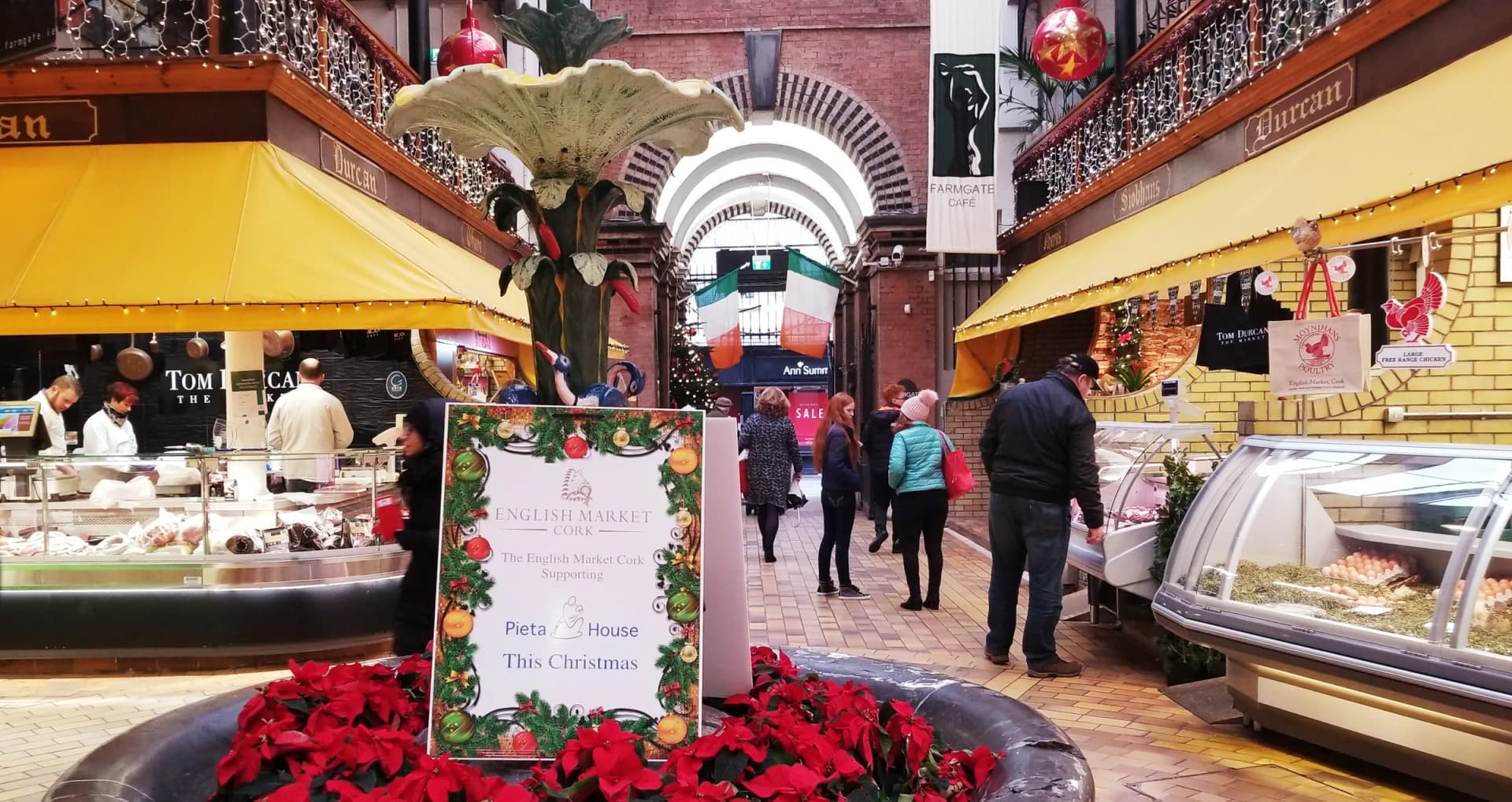
Cork made its fortune on food. The Cork Butter Exchange in Shandon was once the largest butter market in the world, exporting salted butter in firkin casks across the British Empire into the early 20th century. That export trade shaped the local food culture, which still runs to drisheen, tripe, spiced beef and buttered eggs, all sold today in the English Market. The market has traded since 1788 and remains the beating heart of the city.
The Real Capital
Cork's rivalry with Dublin is a defining trait, worn as a joke rather than a grievance. Locals call Cork the real capital, run the People's Republic of Cork as a long-running gag about their own pride, and back the city's two stouts, Beamish and Murphy's, against Dublin's Guinness. The accent is famously sing-song, the slang is rich, and the city has a published dictionary of its own words. Cork people are sure their city is the best in Ireland, and quietly amused that the rest of the country has not caught up.
Wildlife & Nature
Birdlife
Waterbirds at the Atlantic Pond
The Atlantic Pond on the Marina is a freshwater spot popular for birdwatching, with swans, ducks and other waterbirds, a short walk from the city centre.
Year-round